

Proper corn staging helps prevent herbicide injury and application errors. Learn why growth stage is more reliable than plant height for timing post-emergence herbicide applications.

Proper corn staging helps prevent herbicide injury and application errors. Learn why growth stage is more reliable than plant height for timing post-emergence herbicide applications.

Planting season doesn’t end when the planter leaves the field. During the first 7 to 14 days after planting, you’ll …
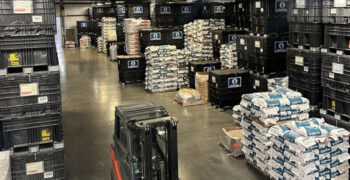
At Champion Seed, being dependable isn’t just a promise — it’s a daily expectation. We know growers count on us to deliver the right seed at the right time without added stress, whether it’s during tight planting windows or in response to last-minute field decisions. That commitment is exactly why we’re expanding our production facility.
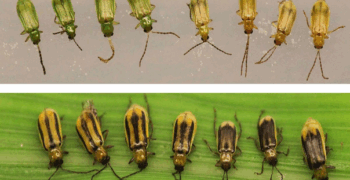
Background: Corn rootworm populations have risen rapidly over the past 5 years due to many different factors. Climate, agricultural practices, …

Logan Schaffert is continuing his dad’s 40-year legacy of farming in Trenton, Nebraska. The family farm is located in the …
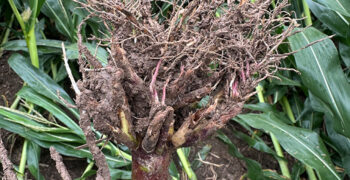
From Agronomist Brandon Hulme Corn rootworm resistance to Bt corn is becoming a bigger issue in the U.S. Corn Belt. …
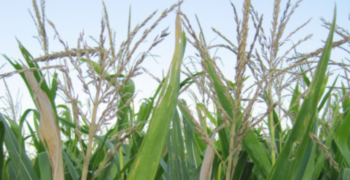
Background: Anthracnose stalk rot is caused by Colletotrichum graminicola and is the most prevalent stalk rot in the eastern US. …
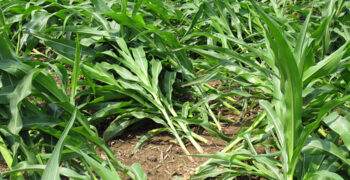
Background: Lodging is when cornstalks are bent or broken. This is caused by numbers of factors, but most often weather, …
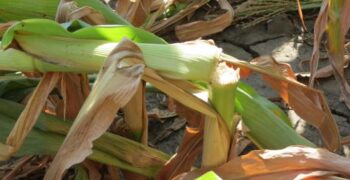
Background: Greensnap in corn happens when strong and sudden winds appear with thunderstorms during the stalks’ rapid-growth phase. Greensnap can …

Background: Bacterial leaf streak (BLS) is a plant disease caused by bacterial pathogens that affect various grass species, particularly in …

Background: Crown rot is a plant disease that affects a wide range of crops and ornamental plants. It is caused …